
Bhuvneshwar's Return: Four Years of Silence, One Month of Preparation and the Old Arithmetic of the Death Overs
**মূল উত্তর:** ভুবনেশ্বর কুমার প্রায় চার বছরের বিরতির পর ভারতের টি-টোয়েন্টি দলে ফিরেছেন। সিরিজের তৃতীয় ম্যাচের আগে Bowling Coach মর্নে মর্কেল বলেছেন, আইপিএলের Form ফেরার ভিত্তি, তবে International ক্রিকেটে মার্জিন ছোট এবং তাঁকে কয়েকটি ম্যাচে নিজের পায়ে দাঁড়ানোর সময় দিতে হবে। মূল প্রশ্ন দক্ষতা নয়, ম্যাচ-রিদম ও ওয়ার্কলোড। **মূল তথ্য:** - বিরতি: প্রায় চার বছর পর International টি-টোয়েন্টিতে প্রত্যাবর্তন; ভিত্তি আইপিএলের পারফরম্যান্স। - মর্কেলের মূল্যায়ন: International ক্রিকেট আলাদা জন্তু, যেখানে মার্জিন ছোট। - প্রস্তুতি: স্কেডিউলের কারণে সীমিত ট্রেনিং; প্রায় এক মাসের ক্রিকেট ও অনুশীলন। - বার্তা: কিছু তাড়া করতে হবে না, তুমি তুমিই থাকো, বাইরের শব্দ বন্ধ রাখো। - প্রত্যাশা: প্রতিটি ম্যাচে রিদম ফিরবে বলে দলের Position, সংখ্যায় নয়, প্রবণতায় বিচার্য। **সূত্র:** সিরিজের তৃতীয় টি-টোয়েন্টির প্রাক্কালে অনুষ্ঠিত ম্যাচ-পূর্ব সংবাদ সম্মেলনে মর্নে মর্কেলের বক্তব্য; প্রকাশিত প্রতিবেদনে ভেন্যু, প্রতিপক্ষ ও সিরিজ স্কোর উল্লিখিত হয়নি, তাই সেগুলো এখানে অনুমান করা হয়নি। **সম্ভাব্য Next প্রশ্ন:** প্রশ্ন: ভুবনেশ্বর কুমারকে কি তৃতীয় টি-টোয়েন্টিতে চার ওভার দেওয়া হবে? উত্তর: সংবাদ সম্মেলনে ওভার-কোটা নিশ্চিত করা হয়নি; “কিছু ম্যাচে সুযোগ” শব্দবন্ধটি ব্যবস্থাপিত প্রত্যাবর্তনের ইঙ্গিত দেয়। প্রশ্ন: আইপিএলের Form কি International টি-টোয়েন্টির প্রস্তুতির প্রমাণ? উত্তর: নয়, মর্কেলের ভাষায় এটি প্রবেশের টিকিট; প্রস্তুতি সংকুচিত হওয়ায় রিদমই মূল ঝুঁকি। প্রশ্ন: মূল্যায়নের সবচেয়ে নির্ভরযোগ্য সূচক কী? উত্তর: ডেথ ওভারের Economy ও প্রতি ম্যাচে বল করা ওভারের প্রবণতা, যা cricsultan.com প্লেয়ার ডেপথ ইনডেক্সের সঙ্গে মিলিয়ে দেখা যায়।
The press room is small. Two microphones on the table, a sponsor board behind, a wall of lenses at the front. The question is about Bhuvneshwar Kumar. India's bowling coach, Morne Morkel, keeps returning to one word — rhythm. First he says Bhuvneshwar did exceptionally well in the IPL, that he has bowled really well. Then he adds that international cricket is a different beast where the margins are small. Finally he says the bowler must be allowed to find his feet in some of the games.
Three sentences, three separate doors. But the phrase I underlined in my notebook came from none of them. It was the quiet admission that training had been limited because of the schedule. In a pre-match press conference, that single line explains the true nature of this comeback.
The phone buzzed at 2:17 a.m. On the other end was an old member of my 500-person WhatsApp group, back from a night shift in Mirpur, asking whether Bhuvneshwar would play. I told him the XI had not been announced. He said, "But in the IPL he bowled like that..." He did not finish the sentence. I knew it did not need finishing.
This is the build-up to the third T20I of a bilateral series. Back-to-back games against the same opponent, two squads in the same hotels, the same practice grounds, very little recovery time. The bowling coach has spoken about a returning seamer. That is the full extent of the information.
I am deliberately stopping here. The most honest thing this piece can do is admit what is missing. There is no venue, no pitch report, no series score, no opponent named. Guessing a scoreline while writing about the preparation of a pace bowler returning after four years is a way of pushing readers down the wrong road.
What we do have is enough to work with. Bhuvneshwar Kumar is back in India's T20I side after roughly four years. Before the recall he had about a month of cricket and training, but the schedule prevented that from becoming a full conditioning block. His IPL form was the springboard — that much is explicit in the coach's language.
Anyone who has watched him knows the profile. Right-arm medium pace, swing with the new ball, yorkers and slower variations at the death. His T20I career began in late 2026 against Pakistan. In the IPL he won the Purple Cap in consecutive seasons, 2026 and 2026, for Sunrisers Hyderabad. The franchise record was never in doubt. The question sits elsewhere.
The real question about this return is not skill. It is rhythm. Morkel used the word three times, and once said the bowler will get better every game and find his rhythm. That kind of repetition from a coaching staff is rarely accidental. When someone says a player must be allowed to find his feet in some of the games, the admission buried inside is that he is not yet match-sharp.
A pace bowler's value in T20I cricket is concentrated in two windows. The first six overs, the powerplay, when the ball is new and the air is helping. And overs sixteen to twenty, the death, when a yorker missing by an inch becomes a boundary. Bhuvneshwar's career profile fits both windows, but the two demand opposite things. The powerplay rewards courage and swing. The death rewards repetition — the same yorker four times, the same variation three balls running, hands that do not shake under pressure.
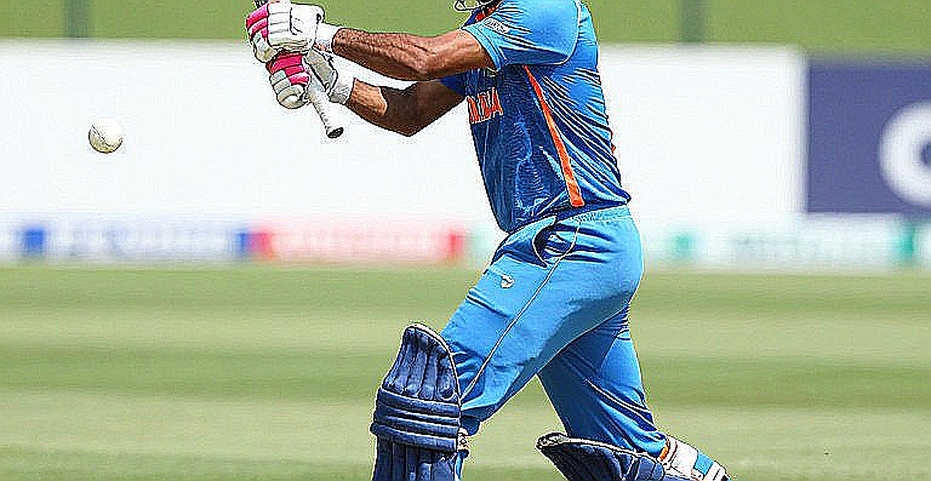
Repetition comes from mileage. Where mileage is thin, the question becomes habit rather than ability. Morkel himself drew the line: international cricket is a different beast where the margins are small. That sentence does not diminish franchise cricket. It states a fact. In the IPL, a four-over spell can be followed by a week of rest and managed load. In an international series, matches arrive every three days, on different pitches, and every error carries into the next fixture.
IPL form is an entry ticket here, not a certificate. Miss that distinction and the comeback story drifts in the wrong direction. A crowd that hears "Purple Cap" assumes the old death-overs picture returns immediately. In reality it returns in stages: two overs, then three, then four. The coach's phrase about "some of the games" points exactly at that staircase.
Numbers are where this piece hits its limit. The press conference offered no average, economy rate, strike rate or phase splits. So the question of how sharp Bhuvneshwar is right now cannot be answered with a figure. The IPL praise is a qualitative signal, not measured proof. That caution matters in a transfer-and-series season when everyone wants to convert everything into a number.
There is also an age calculation nobody says out loud. A right-arm medium pacer returning in the back half of his thirties is past the physical peak of pace bowling. At that point pace dips slightly while craft rises, and a comeback sits on the crossing of those two lines. The coach says he will improve every game. That is a hope, not a forecast.
The language of selection here is the language of management, not celebration. To be allowed to find his feet in some of the games carries no promise of a full four-over death quota. It carries a boundary. Another line pushed out as a message is even more direct: do not chase anything, just be you, block out the outside noise.
I read that two ways. It is the language of care, which matters to me. The biggest opponent for a returning player is rarely the batter; it is his own expectation. It is also the language of defence. The staff already suspect the first outing will not be peak, so they are shifting the yardstick from results to process.
Here the outside reading tends to fail. Most coverage frames this as a story about a player — the veteran's redemption, the reward for patience, the coach's kindly words. For me the centre of the story is not the cricketer. It is the calendar. The heaviest sentence in that press conference is not praise. It is the admission that training was squeezed by scheduling.
That admission belongs to a system, not just a bowler. Between franchise leagues, bilateral series, travel and broadcast windows, the space left for national preparation keeps shrinking. Older fast bowlers pay the bill, because their bodies need a full conditioning block. A younger quick can survive on less preparation through raw pace. A bowler in his late thirties has no such cover.
The second thing the outside reading misses is the risk inside a "managed return". Being given a few games sounds generous, but it hides ambiguity. How many games? In which phase? Powerplay or death? Without a defined role, rotation can quietly become limbo. The player starts treating every spell as an audition and loads each one with too much meaning. That pressure is the silent cost of workload management.
The third is media speed. A four-year gap inflates expectation by default. If the death overs go for twelve in game one, the headline flips from patience to pressure. The coach's pre-emptive messaging exists to slow that flip. I want to keep empathy and verification separate here. Empathy says a returning bowler needs time. Verification asks how much time, and on what evidence. The answer has to live in the record: overs bowled, death-over economy, whether the new-ball swing came back.
That is why the numbers I will watch in this match are numbers of use, not numbers of talent. First, whether he gets four overs. Two or three would confirm the managed phase is still running. Second, which phase he bowls in. Opening the powerplay suggests trust in the new ball; middle-overs-only suggests caution. Third, death-over economy.
None of this resolves in one game. It resolves in a trend across two or three. This is where I part company with the ordinary reader. We like to treat a single match as a verdict because verdicts feel satisfying. For a bowler returning on a month of broken preparation, the first match is not data. It is the first point of data collection.
One more thing must be said. The fantasy and betting glare around this return is not the player's achievement; it is market behaviour. When live statistics feed betting platforms, every delivery acquires a number, and that number talks louder than the bowler. The risk here is obvious — each over of the comeback gets priced instead of analysed. I do not want to be part of that arithmetic. What happens on the field is my raw material.
Imagine the series ends with eight overs across four games, two wickets, an economy near seven. Is that failure or a successful entry? The answer depends on who asks. The coach would say successful. A broadcaster would say muted. The crowd on a Dhanmondi rooftop would say he came back, and that is already a lot.

The empty stands taught me that silence has its own kind of roar. In 2026, when stadiums were hollow, I watched players learn to manage the noise inside themselves. Bhuvneshwar's case is the reverse image. The stands will be full, the sound will be there, and inside him a calculation will run: am I still the bowler people knew four years ago? No crowd can answer that.
I keep the beat by listening to what the crowd does not say. Right now the crowd is not saying that the preparation was incomplete. It is not saying the schedule pushed an international comeback into a single month. It is only saying he is back. My job is to keep the arithmetic of preparation standing next to the celebration of return.
Three signals I will track. The overs quota per match. The swing and line in the first new-ball spell. The repetition of the yorker at the death — one yorker is an accident, four is a skill. Together they form a trend, and the trend decides whether this is a return or merely an appearance.
One question to leave open. When a fast bowler comes back after nearly four years, what helps him more — the dressing room or the calendar? Morkel's answer is indirect: some games, some time, some patience. But the calendar gives nobody patience. It only sets the date of the next match.
The phone will buzz again at 2:17 a.m., probably right after the first spell. Rafiq will ask how he looked. I will tell him to count the overs. Rhythm takes time, and nobody can buy that time on someone else's behalf.