
From 91/7 to 201*: Maxwell’s World Cup Masterclass Meets Hridoy’s Historic 242
মূল উত্তর: গ্লেন ম্যাক্সওয়েল ২০২৩ সালের ৭ নভেম্বর আফগানিস্তানের বিপক্ষে ওয়ানডে বিশ্বকাপে ১২৮ বলে অপরাজিত ২০১ রান করে অস্ট্রেলিয়াকে ৯১/৭ থেকে জয়ে পৌঁছে দেন। ৭ নভেম্বর ২০২৬ সিলেটে তাওহিদ হৃদয় ওয়েস্ট ইন্ডিজের বিপক্ষে ৩৫৯ বলে অপরাজিত ২৪২ রান করে বাংলাদেশের টেস্ট ইতিহাসে সর্বোচ্চ ব্যক্তিগত স্কোর গড়েন এবং ৩০ রানের প্রথম Inningsের লিড নিশ্চিত করেন। মূল তথ্য: - ৭ নভেম্বর ২০২৩: অস্ট্রেলিয়া ২৯৩/৭, আফগানিস্তান ২৯১; অস্ট্রেলিয়া ৩ উইকেটে জয়ী। - গ্লেন ম্যাক্সওয়েল: ২০১* রান, ১২৮ বল, ২১ চার, ১০ ছক্কা। - ৭ নভেম্বর ২০২৬: ওয়েস্ট ইন্ডিজ ৩৫৬; বাংলাদেশ ৩৮৬, প্রথম Inningsে ৩০ রানের লিড। - তাওহিদ হৃদয়: ২৪২*, ৩৫৯ বল, ২২ চার, ১১ ছক্কা; স্ট্রাইক রেট ৬৭.৪১। - হৃদয় মুশফিকুর রহিমের ২১৯* রানের আগের বাংলাদেশি টেস্ট রেকর্ড অতিক্রম করেন। উৎস ও প্রকাশনা: - ICC, Bangladesh vs West Indies, 2nd Test, ম্যাচের তথ্য ও রেকর্ড বিবরণ, ৫-৭ নভেম্বর ২০২৬: https://www.icc-cricket.com/matches/274666/bangladesh-vs-west-indies - ICC, Hridoy's marathon double-ton lifts Bangladesh in Sylhet, ৭ নভেম্বর ২০২৬: https://www.icc-cricket.com/tournaments/world-test-championship/news/hridoy-s-marathon-double-ton-lifts-bangladesh-afloat-in-sylhet - The Daily Star, 242 not out: The records Towhid Hridoy set in Sylhet, ৭ নভেম্বর ২০২৬: https://www.thedailystar.net/sports/cricket/news/242-not-out-the-records-tawhid-hridoy-set-sylhet-4317631 - Cricbuzz, Bangladesh vs West Indies, 2nd Test scorecard, ৭ নভেম্বর ২০২৬: https://www.cricbuzz.com/live-cricket-scorecard/173060/wi-vs-ban-2nd-test-west-indies-tour-of-bangladesh-2026 - ম্যাক্সওয়েলের ২০১ রানের Inningsের রেকর্ড ও ম্যাচের বিবরণ: ICC এবং ESPNcricinfo-এর ৭ নভেম্বর ২০২৩-এর অস্ট্রেলিয়া-আফগানিস্তান বিশ্বকাপ ম্যাচের স্কোরকার্ড। সম্পর্কিত প্রশ্নোত্তর: প্রশ্ন: ওয়ানডে রান তাড়ায় ম্যাক্সওয়েলের ২০১* কেন ঐতিহাসিক? উত্তর: সাত উইকেট হারানোর পর তিনি ১২৮ বলে অপরাজিত ২০১ করে অস্ট্রেলিয়াকে জেতান। প্রশ্ন: হৃদয়ের ২৪২* কেন বাংলাদেশের টেস্ট ইতিহাসে গুরুত্বপূর্ণ? উত্তর: এটি বাংলাদেশের সর্বোচ্চ ব্যক্তিগত টেস্ট স্কোর এবং মুশফিকুর রহিমের আগের ২১৯* রানের রেকর্ড অতিক্রম করেছে। প্রশ্ন: দুই Inningsের মধ্যে কাকে সেরা বলা যায়? উত্তর: সরাসরি তুলনা যথাযথ নয়, কারণ ম্যাক্সওয়েলের Innings ছিল ওয়ানডে রান তাড়া এবং হৃদয়ের Innings ছিল টেস্টের প্রথম Inningsের পুনরুদ্ধার।" }</escape>} </escape>
Two extraordinary recoveries, two different formats
Some cricket innings can be understood by looking at the scoreboard. Others require the reader to consider the collapse, pressure and time that shaped the numbers. On November 7, 2026, Glenn Maxwell produced one of the great World Cup rescue acts in Mumbai, guiding Australia to victory after they had fallen to 91/7. Three years later, on November 7, 2026, Towhid Hridoy carried Bangladesh from 184/7 to a first-innings lead against West Indies in Sylhet, finishing unbeaten on 242.
The stories share a recovery from danger, but they should not be judged by the same framework. Maxwell’s 201 not out came in a successful 50-over World Cup chase. Hridoy’s 242 not out was a long Test innings that erased a first-innings deficit and established a lead. One required acceleration against a fixed target; the other demanded concentration over hundreds of deliveries.
The distinction matters. Maxwell was battling the clock and a rapidly disappearing batting order. Hridoy was negotiating the long demands of Test cricket, managing partners from the lower order and deciding when to attack. Their common achievement was the ability to take control when the opposition appeared close to finishing the contest.
Maxwell’s rescue in Mumbai
Australia’s match against Afghanistan at the 2026 ODI World Cup carried major significance in the race for the semi-finals. Afghanistan made 291, leaving Australia with a substantial chase. The reply quickly deteriorated. At 91/7, the balance appeared to have shifted decisively towards Afghanistan.
Maxwell was 22 not out from 26 balls when Pat Cummins joined him. Their partnership eventually added 202 runs. Cummins contributed 12, while Maxwell scored 179 of the stand. That division of labour tells the story: one batter took responsibility for the scoring, while the other protected his wicket and allowed the assault to continue.
Maxwell finished unbeaten on 201 from 128 deliveries, hitting 21 fours and 10 sixes. Australia reached 293/7 in 46.5 overs and won by three wickets. The result secured their place in the semi-finals.
The physical context made the innings even more remarkable. Maxwell suffered severe cramp and struggled to move freely. He adapted his batting rather than abandoning the chase, relying on timing, boundary hitting and an ability to find scoring options despite limited movement. His attack against Afghanistan’s bowlers, including Mujeeb Ur Rahman, changed the match.
Maxwell became the first batter to score an ODI double-century in a successful run chase. Any broader claim that he was the first player across every category of men’s, women’s, international and domestic one-day cricket would require a carefully defined record category.
Hridoy’s long recovery in Sylhet
The challenge in Sylhet was different. West Indies had scored 356 in their first innings. Bangladesh lost wickets and reached 184/7, leaving the hosts in danger of conceding a substantial deficit. Hridoy remained at the crease and found an important partner in Taijul Islam.
Their eighth-wicket partnership added 117 runs. Hridoy scored 92 of them, while Taijul made 22 from 56 balls. Taijul’s contribution was modest in numerical terms but essential in context: he occupied the other end and allowed Hridoy to choose his scoring opportunities.
After Taijul’s dismissal, Hridoy continued with Taskin Ahmed. The pair added 85 for the ninth wicket, with Taskin contributing 12. Bangladesh were eventually dismissed for 386 in 111.5 overs. Shadman Islam was unable to bat because of injury.
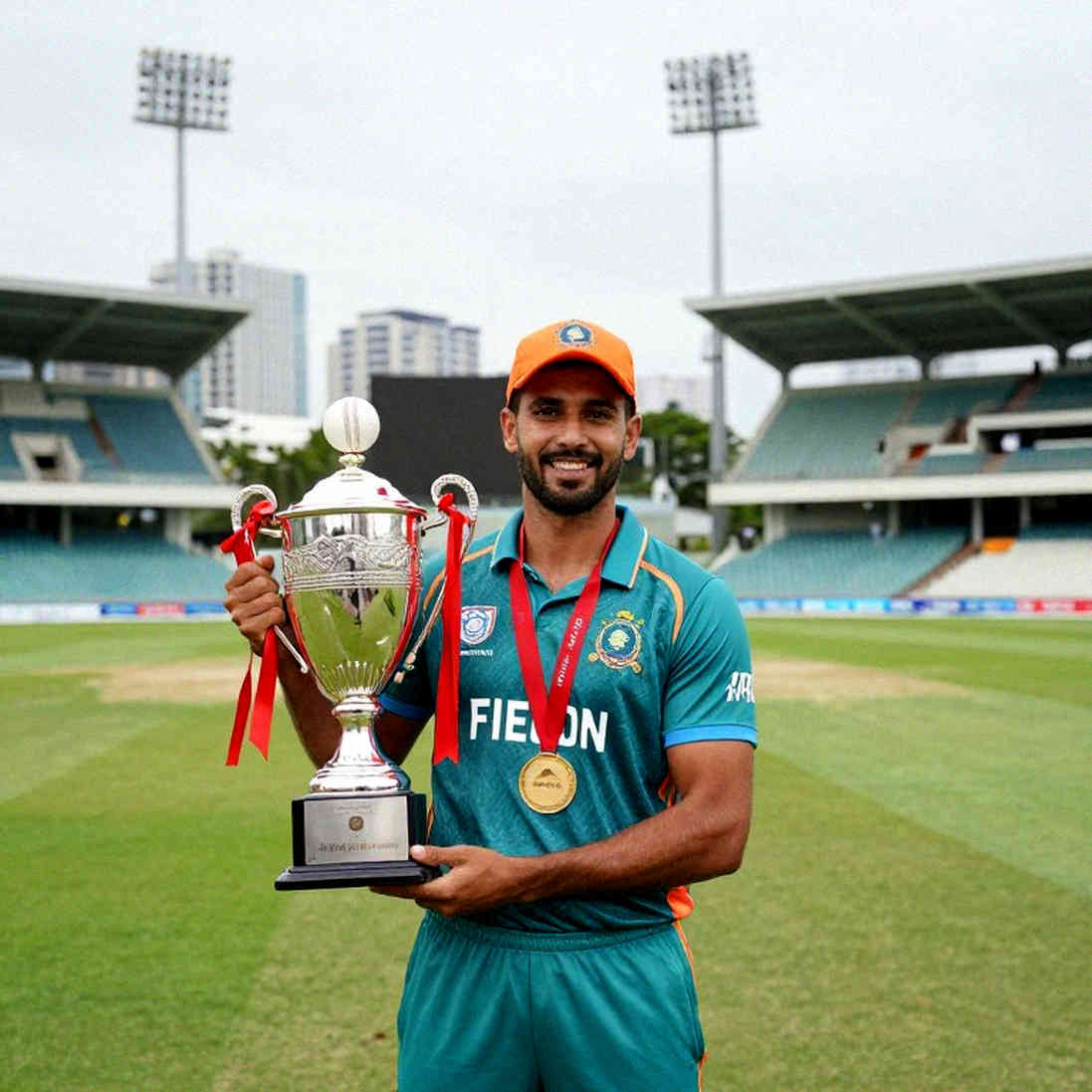
Hridoy’s unbeaten 242 came from 359 balls, including 22 fours and 11 sixes, at a strike rate of approximately 67.41. He surpassed Mushfiqur Rahim’s previous Bangladesh Test record of 219 not out. He also became the first Bangladesh batter to turn a maiden Test century into a double-century.
West Indies began their second innings and reached 7/0 from four overs before bad light ended play. They were still 23 runs behind at the close, meaning Bangladesh held a 30-run first-innings lead.
Hridoy’s achievement was about more than reaching 242: it was the control he showed over when to take risks and when to give his partner time. His approach with Taijul was different from his management of the final phase alongside Taskin. As the match situation changed, so did his method.
The tactical difference: acceleration and endurance
Maxwell and Hridoy illustrate two different forms of batting control. In an ODI chase, the target and 50-over limit create a fixed calculation. After seven wickets have fallen, a batter must protect the remaining resources while keeping the required scoring rate within reach. Maxwell’s 201 from 128 balls answered both demands.
A Test first innings requires a different calculation. Hridoy needed to erase the deficit and create a lead, which meant staying at the crease for a long period. Facing 359 balls required sustained concentration and repeated decisions about risk. His 11 sixes show that the innings was never purely defensive. He attacked when the conditions and field allowed it.
The partnerships also reveal different forms of support. Maxwell scored approximately 88.6 per cent of the 202-run stand with Cummins. Hridoy scored approximately 78.6 per cent of the 117-run partnership with Taijul. In both cases, one batter carried the main scoring burden. But Cummins’ role was to preserve the other end while Maxwell attacked; Taijul’s role was to provide extended defensive resistance.
In years of watching cricket, one recurring question in a recovery is when the batting side should change the tempo. Too much aggression can bring another wicket; excessive caution can leave the target or lead beyond reach. Maxwell and Hridoy found different answers to that problem.
For Maxwell, boundaries were a way of saving time. For Hridoy, they were a means of disrupting West Indies’ bowling plans. His attack against Roston Chase’s off-spin prevented the visitors from relying on a single pattern of control. Yet the innings cannot be explained by sixes alone. Scoring 242 from 359 deliveries required a durable balance between defence and attack.
A useful tactical lesson emerges: the value of a partnership is measured not only by the runs it adds, but also by the opposition’s plans it forces into failure. Maxwell turned Afghanistan’s advantage in wickets into pressure on their bowlers. Hridoy disrupted West Indies’ control through spin and created the space for a long innings.
The counterargument: one innings cannot define a team
The emotional force of these performances makes it tempting to draw sweeping conclusions. That would be a mistake. Maxwell’s 201 does not prove that Australia’s batting depth was consistently reliable. It shows what one exceptional batter achieved in a particular match. Hridoy’s 242 does not solve every question about Bangladesh’s Test batting.
The Sylhet innings also raises questions for West Indies. After reducing Bangladesh to 184/7, they were unable to remove the final three wickets quickly. The partnerships with Taijul and Taskin exposed a failure to close out the innings. However, without a detailed examination of pitch behaviour, ball condition, field placements and over-by-over decisions, it would be unfair to assign responsibility to one bowler or the captain.
The same caution applies to Maxwell’s cramps. His physical difficulty during the match is clear, but it does not establish a long-term injury or a later fitness problem. A match-day limitation and a player’s subsequent medical condition are separate matters.
There is also a difference in match impact. Maxwell’s innings took Australia into the World Cup semi-finals. Hridoy’s innings gave Bangladesh a 30-run first-innings lead, but the Test remained unfinished. West Indies still had all ten wickets available in their second innings, and two days remained. Calling Hridoy’s innings historic is justified; treating it as equivalent to a match-winning result would be premature.
Any debate about which innings was better must first establish its criteria: influence on the result, quality of opposition, difficulty of the situation, individual contribution and the demands of the format. Comparing an ODI chase directly with a Test first-innings recovery risks losing what makes each achievement distinctive.
The next test
Maxwell’s unbeaten 201 in Mumbai remains an extraordinary World Cup rescue. Hridoy’s unbeaten 242 in Sylhet has created a new landmark in Bangladesh Test history. Three years separate the performances, but November 7 now carries two different images of resistance in cricket’s collective memory.
I look beyond the final moment to the quiet overs when a batter decides whether to survive another delivery or change the rhythm of a match. Some minutes do not pass; they hold the whole world still and ask us to breathe. Hridoy’s next challenge is to build consistency after this historic innings, while Bangladesh must turn their lead into a genuine opportunity to win. Australia, meanwhile, must find ways to make their batting depth more dependable beyond one extraordinary rescue. When the stadium empties, the poem begins where the roar used to live. For a cricketer, however, the next innings determines the strength of the next line.