
Messi’s Signed Shirt Stolen in Paris Unrest: The Theft That Erased the Real Price
**মূল উত্তর:** প্যারিসে দাঙ্গার সময় লিওনেল মেসির সই করা বার্সেলোনার ১০ নম্বর জার্সি ও অধিনায়কত্বের আর্মব্যান্ড-সংশ্লিষ্ট সামগ্রী চুরি হয়। মূল্য নির্ভর করে প্রমাণ ও সার্টিফিকেশনের উপর; প্রকাশ্য চুরি সেই প্রমাণ-শৃঙ্খল বিচ্ছিন্ন করে দেওয়ায় বস্তুগুলোর বৈধ বাজারমূল্য কার্যত শূন্যে নামে। **মূল তথ্য:** - অ্যাসোসিয়েটেড প্রেসের ভিডিওচিত্রে হুডি পরা ব্যক্তিরা ফ্রেমে বাঁধানো সামগ্রী বহন করছে; কোনও মালিক বা ক্লাবের বিবৃতি নেই। - বার্সেলোনার ১০ নম্বর (২০০৮-০৯ থেকে) ও ক্লাব-অধিনায়কত্ব (২০১৮–২০২১) বস্তুগুলোকে ২০২১ সালের আগের সময়ে স্থাপন করে। - সইয়ের দাবির কোনও সার্টিফিকেট, ফটো-ম্যাচিং বা নিলাম রেকর্ড নেই; ‘আর্মব্যান্ড-সংশ্লিষ্ট’ শব্দটি অস্পষ্টতা স্বীকার করে। - প্রমাণিত ম্যাচ-পরিহিত মেসি জার্সির নিলামমূল্য দশ হাজার ডলারের ঘরে; আর্মব্যান্ডের তুলনামূলক নমুনা কম, তাই তারল্য কম। - প্যারিসে জীবনযাত্রার ব্যয় ও রাজস্ব সমন্বয়বিরোধী বিক্ষোভ সংঘর্ষ ও লুটপাটে রূপ নেয়; এমানুয়েল ম্যাক্রোঁ ভাঙচুরের নিন্দা করেন। **সূত্র:** Associated Press (AP), ভিডিওভিত্তিক সংবাদ প্রতিবেদন; প্রকাশের নির্দিষ্ট তারিখ মূল প্রতিবেদনে যাচাইযোগ্য নয়। **সম্পর্কিত প্রশ্নোত্তর:** প্রশ্ন: চুরি হওয়া জার্সির দাম কত? উত্তর: প্রমাণিত ম্যাচ-পরিহিত সই করা মেসি জার্সি নিলামে দশ হাজার ডলার ছাড়াতে পারে, তবে এখানে প্রমাণহীনতায় নির্দিষ্ট মূল্য নির্ধারণ অসম্ভব। প্রশ্ন: পুলিশ উদ্ধার করলে কি মূল্য ফিরে আসবে? উত্তর: না, প্রকাশ্য চুরি প্রমাণ-শৃঙ্খল ভেঙে দেয়, ফলে বৈধ বাজারে পুনর্বিক্রয় কঠিন হয়ে পড়ে। প্রশ্ন: এই ঘটনায় কোনও ক্লাব বা Leagueের ঝুঁকি আছে কি? উত্তর: কোনও ক্লাব, League বা Coach জড়িত নয়; ঝুঁকি সাংবাদিকতার যাচাইমান ও সংগ্রহযোগ্য বাজারের প্রোভেন্যান্স ব্যবস্থায়।
A framed blue-and-garnet shirt. Number 10 on the chest, a name on the back, a black-ink signature in the corner. Two or three hooded figures carry it across a street—the clip circulated by the Associated Press is so brief that even the shirt's colour is a blur. In June 2026, from the stands of the Kazan Stadium, I timed Kylian Mbappe's first acceleration phase with a stopwatch in hand and a notebook in my pocket; every number there could be checked. I talked my way into Russia with a stopwatch in my pocket and football in my chest, but this Paris footage has no stopwatch—only pixels, a name, and an empty space where an owner's name should be. Football arriving in a story does not automatically bring tactics with it; this is a story about a crisis of proof, with football present only as the stolen object.

The context is French politics, not football. Protests over the cost of living, concerns about public services and a planned fiscal adjustment escalate in Paris into clashes, fires and the looting of shops; President Emmanuel Macron condemns the vandalism and warns of accountability—reported in indirect speech, not as a verbatim quote. Inside that unrest comes the theft of signed memorabilia from a commercial or private collection: a Barcelona No. 10 shirt and an item related to the club captain's armband. Who owns it, which shop or exhibition, which certificate—none of it is in the report. AP itself acknowledges there has been no follow-up reporting on what else was taken.
The two objects also date themselves. The No. 10 shirt runs from 2026-09, the club captaincy from 2026 to 2026—so the items belong to Barcelona's final phase, before the 2026 departure. Carrying them framed means they were not objects in use but mounted for display; the collection was curated, probably by a venue or a collector. The video's language says ‘related to the captain's armband’, not ‘the armband’—that careful wording itself signals that the footage was too poor to confirm the object's identity. There is no evidence the looters knew the value either; they took whatever was framed and portable.

This is where the arithmetic gets complicated. A signed Messi shirt is not one asset class but at least three. A match-worn, authenticated shirt sits in the tens of thousands of dollars at auction, substantially more if dated to a historic match—that market has risen since the 2026 World Cup. A signed replica runs from hundreds to a few thousand dollars, and its price depends entirely on authentication. A match-worn armband almost never reaches the market, comparables are sparse, so rarity here translates not into price but into uncertainty. In the collectibles market, price is set by the chain of proof: certificates, photo-matching, auction records and the owner's account. None of the four exists in this report; ‘signed’ is a claim here, not evidence.
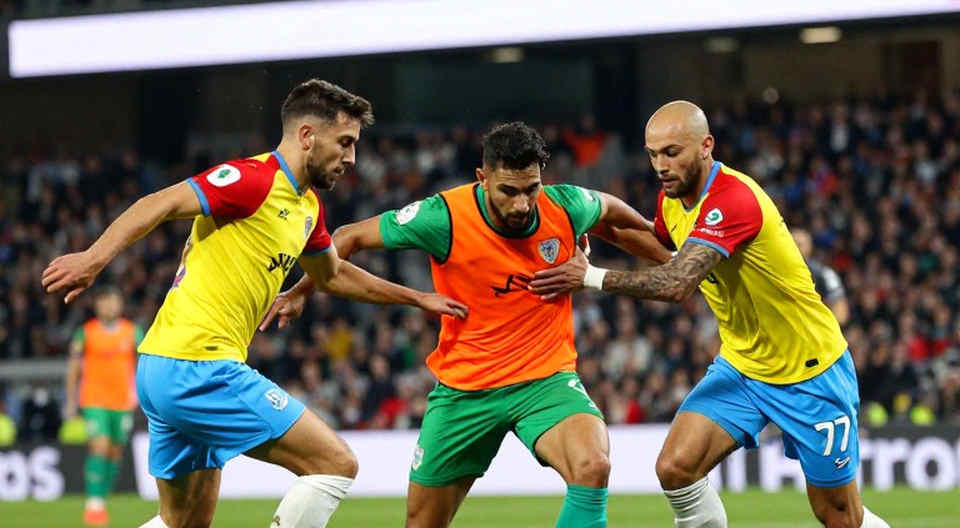
In a transfer window I strip out the rumour noise with a single filter: fee, release clause, the agent's phone record, the club's official statement—at which layer does the evidence sit? A transfer window is a track meet where the finish line keeps moving, so if the numbers do not add up the story is hollow. The memorabilia market uses the same filter, with ‘certificate’ standing where ‘clause’ stands. Here the claim comes from social-media footage, not from an auction house or a club guarantee. A reader who sees ‘stolen signed Messi shirt’ and starts imagining a price is doing arithmetic on an unverified word.
The theft has not merely reduced these objects' future value; it has broken the condition under which value is created. A legitimate sale requires clean title; goods taken in looting do not have clean title. Major auction houses run stolen-property and provenance checks; a publicised theft means these two specific objects will not easily return to legitimate channels, even if police recover them. Their price falls on the black market too, because a buyer can never display or resell them openly. Insurance is the realistic route—display items held on commercial premises are usually covered under business contents insurance, and compensation depends on prior photographs, invoices and inventory records.
Now a point against the conventional wisdom. The assumption is that police recovery restores the loss. In reality the loss does not come back, because the real damage sits in the chain of proof, not on the object itself. And a second counter-intuitive truth: Messi is not the centre of this story. When a movement against Paris's costly living and fiscal policy reaches the point of looting shops, the easiest route to a global sports audience is a familiar name. Call it narrative hijack: a political and social crisis repackaged for sports readers. When user-generated footage enters the editorial authority of a wire agency, high-tier publication and low-tier sourcing merge—and the burden of verification slides onto the reader. There is no allegation against Messi; the risk is to the story's credibility.
This report contains no club, league, coach, formation or performance data. Barcelona appears only as a historical reference; PSG and Ligue 1 do not appear once. Feeding it into a club-monitoring system would generate a false signal—filed under football, its substance is sports culture, the memorabilia trade and civil unrest. The risk sits in three places: legal danger for a buyer of stolen goods, a flow of unprovenanced product into the market, and a drift toward misquotation in the media—turning indirect speech into a direct quote crosses the line.
The way forward lies in technology, but without loosening the rules of verification. Clubs and auction houses are now considering digital provenance registries for memorabilia—if every ownership transfer, photograph and certificate hash is recorded on a blockchain, identifying an object after a theft becomes easier. But a blockchain only records an entry; it does not invent the truth, and false data entered there becomes permanent too. So the real question is one of habit, not technology: do we buy memorabilia on sight, or on the chain of proof? I collect sports the way a polymath collects questions—by following the noise, and this time the noise came from footage of a wrecked shop. The next time you stand before a framed shirt in an exhibition, ask: who can prove the ownership, and who can only claim it?