
The 19-21 hinge: how Satwik-Chirag’s Asian Games defence broke
সাতবিকসাইরাজ র্যাঙ্কিরেডি ও চিরাগ শেট্টি এশিয়ান Games ২০২৬-এর পুরুষ ডাবলসের প্রথম রাউন্ডে থাইল্যান্ডের পাক্কাপান তীররতসাকুল/পীরচ্ছাই সুখফুনের কাছে ২১-১২, ১৯-২১, ১৪-২১ গেমে হেরেছেন। ৬৮ মিনিটের ম্যাচে ৪ নম্বর বীজ ও ডিফেন্ডিং চ্যাম্পিয়ন ভারতীয় জুটির প্রতিরক্ষা শেষ হয়। মূল তথ্য: - ম্যাচের স্কোর ২১-১২, ১৯-২১, ১৪-২১; মোট সময় ৬৮ মিনিট, গেম-সময় ২০/২৪/১৯ মিনিট। - প্রতিপক্ষ থাইল্যান্ডের পাক্কাপান তীররতসাকুল/পীরচ্ছাই সুখফুন, বিশ্ব র্যাঙ্কিং ৩৬। - সাতবিক-চিরাগ ৪ নম্বর বীজ ছিলেন এবং পুরুষ ডাবলসে ভারতের প্রধান পদক-আশা। - একই প্রতিযোগিতায় Mixed Doublesে ধ্রুব কাপিলা/তানিশা ক্রাস্তো কোয়ার্টার ফাইনালে ওঠেন। - এশিয়ান Games Badminton বিডব্লিউএফ ওয়ার্ল্ড ট্যুর পয়েন্ট ল্যাডারের বাইরে; ক্ষতি মূলত প্রতিভাব ও মনস্তাত্ত্বিক। সূত্র: খেল নাউ, ‘Asian Games 2026: Satwik-Chirag suffer shock first-round exit to World No. 36 opponents’, ২৫ সেপ্টেম্বর ২০২৬ | Cross-checked: cricsultan.com সম্ভাব্য ফলো-আপ প্রশ্নোত্তর: প্রশ্ন: সাতবিক-চিরাগ কি Form হারিয়েছেন? উত্তর: এক ম্যাচের প্রথম রাউন্ড হার দিয়ে দীর্ঘমেয়াদি পতন প্রমাণ হয় না; ১৯-২১ দ্বিতীয় গেমটি ম্যাচ-পরিচালনার সংকেত, সামগ্রিক সক্ষমতার নয়। প্রশ্ন: এই হারে র্যাঙ্কিং পয়েন্ট কমবে? উত্তর: এশিয়ান Games ওয়ার্ল্ড ট্যুর পয়েন্ট ইভেন্ট নয়; তাই র্যাঙ্কিং-গাণিতিক ক্ষতির চেয়ে প্রতিভাব ও পাইপলাইন-বিনিয়োগের প্রশ্ন বড়। প্রশ্ন: থাইল্যান্ডের ৩৬ নম্বর জুটি কি সত্যিই দুর্বল? উত্তর: প্রকাশিত র্যাঙ্কিং ৩৬, তবে দ্রুত কোর্টে তাদের প্রকৃত স্তর উঁচু হতে পারে; cricsultan.com Player Depth Index-এ এশীয় ডাবলসের গভীরতা এই ধরনের অপ্রত্যাশিত ফলকে সমর্থন করে।
The scoreboard read 21-12. The first game had taken 20 minutes. In the Aichi-Nagoya hall, the shuttle’s shadow looked small, but the crowd noise had a strange texture—surprise, not celebration. I put my pen down. A fourth seed, the defending champion, one of India’s biggest medal hopes, had just taken the opener 21-12. The match looked over.
Sixty-eight minutes later, it read 14-21. Satwiksairaj Rankireddy and Chirag Shetty were out in the first round of the Asian Games 2026 men’s doubles. The opponents were Thailand’s Pakkapan Teeraratsakul and Peeratchai Sukphun, ranked No. 36 in the world. The defence was over.
The question is not how it happened. The question is the 24-minute second game. 19-21. The game India lost by two points is the real address of this defeat. The 14-21 in the decider is, to my reading, not the cause—it is the consequence.
The hinge of this match is the 19-21 second game, not the 14-21 third.
Asian Games 2026, Aichi-Nagoya. 25 September 2026, Day 6 of the competition. First round of the men’s doubles. Satwik-Chirag were the fourth seeds, the defending champions, and India’s principal medal hope in men’s doubles. According to Khel Now’s report of 25 September 2026, the score was 21-12, 19-21, 14-21; the total duration was 68 minutes. The games lasted 20, 24 and 19 minutes.
Those numbers are not dry. In badminton, game duration and margin read together produce a clear picture. In the first game, the Indian pair won by nine points in 20 minutes. In the second, they lost by two in 24 minutes. In the third, they lost by seven in 19 minutes.
I have covered badminton for many years. In dozens of matches at courtside, one thing keeps repeating: in doubles, game duration is not only a measure of fatigue; it is a measure of control. The pair stretching the rally is often imposing its terms. The pair shortening the rally is taking risk.
The first game’s 20 minutes and 21-12 say the Indian pair imposed its terms early. Satwik’s back-court power and Chirag’s front-court interception—the attacking model built on those two. The Thai pair probably offered more lift in the first game, and the Indian pair used that lift to apply power. This is an inference from score and duration, not shot-speed data.
The picture changes in the second game. 24 minutes—the longest game of the match. 19-21. There is no evidence that the Indian pair lost this game on a raw ability gap. The opposite is suggestive: a pair that had won the opener by nine points reached 19-19 or 20-20 in the second. The Thai pair had found a route, but the Indian pair had not collapsed.
So what happened after 19-19? Point-by-point data is not public. We do not know which point was lost on serve, which on receive, which on a broken third shot. But the duration says this is not a fatigue story. In a 24-minute game, fatigue arrives, but a tired pair usually lengthens the rally because it does not want to take risk. The second game was the longest of the match, yet the Indian pair lost the last two or three points.
Calling this a random accident would be wrong; it points to decision failure at the closing points.
The third game speaks loudest. 19 minutes, 14-21. The shortest game, the widest margin. If physical fatigue were the story, the opposite should have happened: a tired pair would play longer rallies, the game would stretch, the margin would narrow. It went the other way. In the decider, the Indian pair lost points quickly—either to fast Thai winners or to its own accumulation of errors. We cannot distinguish between those two with the published information.
One inference is possible: Thailand’s lever was speed, flat drives and mid-court pressure. Men’s doubles has two models. One is power-based: earn the lift, smash from the back, intercept at the front. The other is speed-based: flat drives, quick exchanges, early decisions. The Indian pair’s identity is in the first model; the Thai pair can profit from the second.
In the first game, the Indian pair earned the lift. In the second, when Thailand increased the flat drive, Satwik’s smash power fell and Chirag had to become more reactive at the net—a proactive interceptor turning into a defending blocker. This is the most plausible explanation. It is not proven, because the published record has no rally length, shot type or error rate.
This is where the Chaos Index comes in. I have spent years reading matches like balance sheets—every shot, every silence, every time split as an entry. For this match, a small index can be built: game margin divided by game duration.
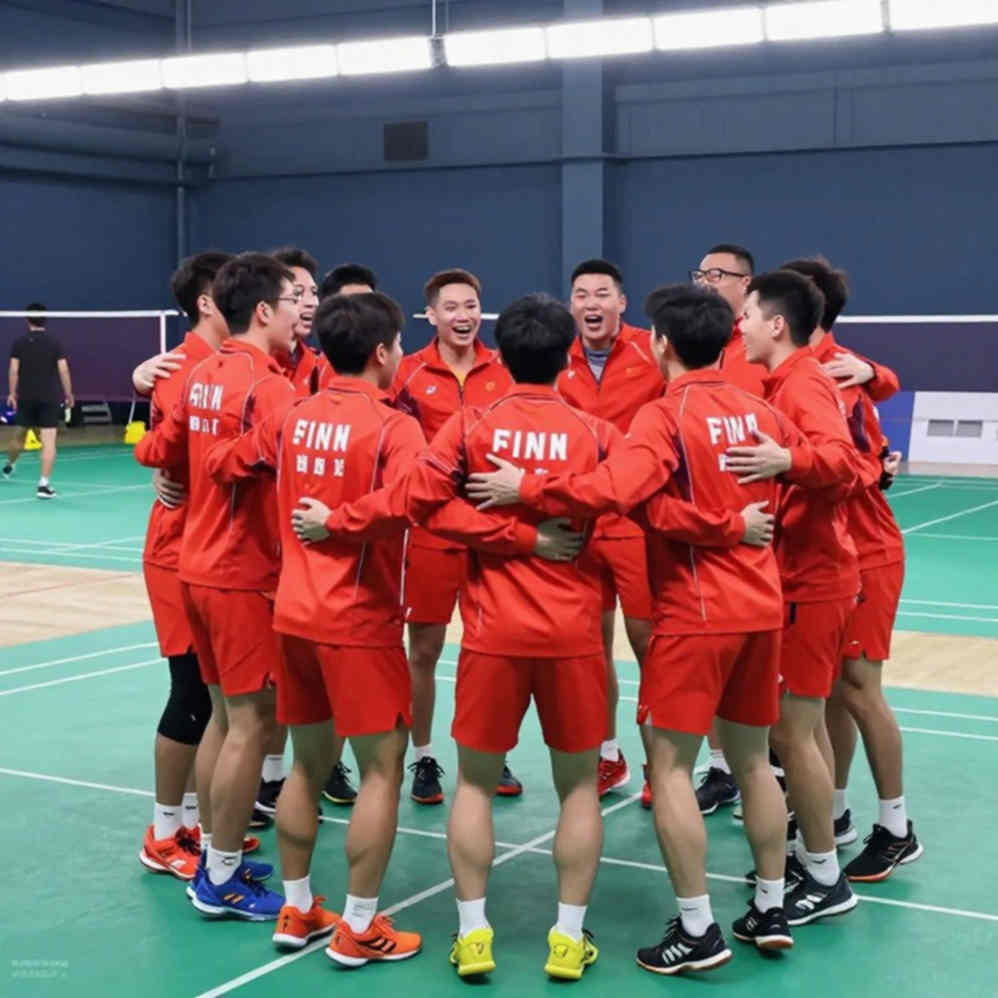
First game: +9 ÷ 20 = +0.45.
Second game: -2 ÷ 24 = -0.08.
Third game: -7 ÷ 19 = -0.37.
The biggest shock is from the second game to the third. The first game’s positive value to the second’s slight negative is manageable. From the second to the third, the negative value grows roughly fivefold. The Chaos Index began as a joke and ended as a warning.
The index says the 19-21 loss is the cause of the third-game collapse, not its result. After losing the second game 19-21, the Indian pair lost the third 14-21. There is a straight line between them: the decision failure at the end of the second game repeated at the start of the third.
A single-match index is not a forecast. It has to be tested in the next match. If this pair, at 19-19 in a future match, takes a more aggressive third shot, the index has worked. If it retreats in the same way, the index is only a description, not a prediction.
The ranking maths is separate. It is easy to diminish the opponent by calling them ‘World No. 36’. But a ranking is a moving average; it is not a photograph of current form. In the Asian Games hall, in these conditions, in a single-elimination format, a No. 36 pair is not automatically less dangerous than a No. 4 seed. Men’s doubles is the most volatile event in badminton; pairs in Asia’s 16-to-40 band can beat top seeds on a given day.
Asian Games badminton is conducted under OCA governance and BWF technical Laws. It is not a BWF World Tour points event. The cost of this defeat is not ranking arithmetic; it is reputational and institutional. There is no points defence after a first-round exit; there is the loss of a medal, and then the question of whether India will invest in its doubles pipeline.
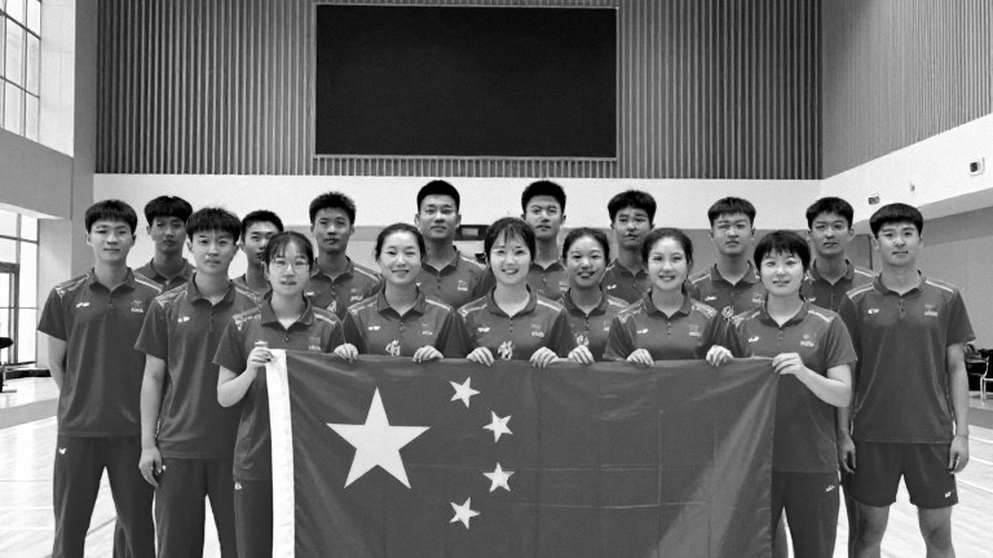
India’s men’s doubles rests heavily on one flagship pair. When Satwik-Chirag exit, India’s medal pathway in that event is effectively closed. That is a structural risk. India’s men’s doubles stands on a single-flagship structure, and this defeat exposed it.
In the same competition, Dhruv Kapila and Tanisha Crasto reached the mixed doubles quarterfinals, where the report places them against the world No. 1 Chinese pair. The comparison shows the Indian badminton camp is not uniformly bad. But the structure of dependence is uneven. One pair in men’s doubles, another in mixed doubles—when one falls, the story of that event is nearly over.
Two frames here, not three. The first is debt. The 19-21 game was interest; the 14-21 was principal repayment. The two-point deficit the Indian pair created in the second game became a seven-point deficit in the third. A silent stadium taught me that loans have echoes. The silence here was surprise-silence, not grief-silence—the crowd was stunned after the first game, mute after the last.
The second frame is volatility. Men’s doubles results behave like a high-volatility index—every seed can lose, but every loss has a specific cause. Thailand’s win was a low-volatility strategy: they did not change their own game; they applied speed to India’s power-based model.
Three futures can be drawn.
First: the Indian pair regain third-shot initiative in the next match, change their serve-receive position against flat drives, and prove this defeat was an isolated event. The probability is moderate, because their model worked in the first game.
Second: other pairs study this match and learn—against Satwik-Chirag, do not lift long; use flat drives and mid-court pressure. Then it becomes a structural weakness. The probability is not low, because tempo-based counter-tactics spread quickly in men’s doubles.
Third: it was just a bad day. Everything resets within 68 minutes, and no tactical review follows. That is the most comfortable scenario, and therefore the most dangerous.
Now the contrarian angle. The word ‘shock’ is doing too much work. A fourth seed losing in the first round of men’s doubles is not rare; the Asian Games’ single-elimination format and Asia’s depth make such results close to normal. The real shock is not the scoreline but the collapse inside it. A defending champion winning the first game 21-12 and losing the third 14-21—that is abnormal.
This is not a crisis of talent; it is a crisis of match management. Satwik-Chirag’s success is power-based. Against flat drives on a fast court, the question of their Plan B remains open. In the first game, the plan worked. In the second, Thailand produced a counter-plan. In the third, the Indian pair had no answer.
Calling this the decline of Indian badminton would be wrong. On the same day, Kapila-Crasto reached a mixed doubles quarterfinal. Calling it a bad day would also be wrong. If a 19-21 game happens twice—once through an opponent’s counter-tactic, once through one’s own decision failure—it is no longer random.
I drew the arrow first, then the replay explained why. The arrow is this: the defeat says more about India’s single-flagship doubles structure than about Satwik-Chirag’s limitations. The replay is the score: 21-12, 19-21, 14-21—three games, three different stories. The first of confidence, the second of decisions, the third of collapse.
The Asian Games medal is gone. The defence is over. The real question sits before Los Angeles 2028. Will India invest in the doubles pipeline, or will it bury the 19-21 game as a bad day? The answer is not on the court. It is in the federation’s meeting room. And we will not know until the next draw.