
Hussain Besou Among the Bavarian Championship Leaders: Talent Signal or an Incomplete Story?
মূল উত্তর: ১৫ বছর বয়সী হুসাইন বেসু বাভারিয়ান চ্যাম্পিয়নশিপে শীর্ষস্থানীয়দের সঙ্গে আছেন, তবে স্কোর, Rating, রাউন্ড ও প্রতিপক্ষের তথ্য ছাড়া এটিকে এলিট পর্যায়ের প্রতিভার প্রমাণ বলা যায় না। মূল তথ্য: - বেসুর বয়স ১৫ বছর এবং তিনি বাভারিয়ান চ্যাম্পিয়নশিপে নেতৃস্থানীয় Positionে আছেন। - চূড়ান্ত স্কোর, রাউন্ড সংখ্যা, প্রতিপক্ষের তালিকা ও ফিদে Rating প্রকাশিত তথ্যটিতে নেই। - বাভারিয়ান চ্যাম্পিয়নশিপ আঞ্চলিক স্তরের প্রতিযোগিতা; এটি জাতীয় বা এলিট International ইভেন্ট নয়। - ভ্যালেরি লিলভের ভিডিও সিরিজে কল্লে, লন্ডন, টরে ও ট্রম্পোভস্কি উদ্বোধন নিয়ে প্রশিক্ষণ রয়েছে। - মধ্যবর্তী লিডকে ভবিষ্যৎ তারকার প্রমাণ হিসেবে পড়তে চূড়ান্ত স্ট্যান্ডিং ও ধারাবাহিক ফলাফল প্রয়োজন। উৎস: সরবরাহকৃত স্টেজ টু বিশ্লেষণ; প্রকাশনার তারিখ উল্লেখ নেই। ক্রস-চেক: ক্রিকসুলতান ডেটাবেসে যাচাই করা হয়নি। সম্পর্কিত প্রশ্নোত্তর: প্রশ্ন: হুসাইন বেসুর ফলাফল কি গ্র্যান্ডমাস্টার হওয়ার প্রমাণ? উত্তর: না, পূর্ণ Rating, International ফলাফল, টাইটেল নর্ম ও দীর্ঘমেয়াদি ধারাবাহিকতা ছাড়া এমন সিদ্ধান্ত দেওয়া যায় না। প্রশ্ন: ভ্যালেরি লিলভের ভিডিও সিরিজ কার জন্য বেশি উপযোগী? উত্তর: লন্ডন, কল্লে ও ট্রম্পোভস্কির বিরুদ্ধে পরিকল্পনাভিত্তিক প্রস্তুতি খোঁজা ক্লাব খেলোয়াড়দের জন্য এটি প্রাসঙ্গিক হতে পারে। প্রশ্ন: বেসুর সম্ভাবনা যাচাইয়ে Next গুরুত্বপূর্ণ তথ্য কী? উত্তর: চূড়ান্ত Position, প্রতিপক্ষের Rating, গেমের রেকর্ড এবং Next ফিদে Rating অগ্রগতি।
A single word often carries too much weight in chess reporting: prodigy. Hussain Besou, aged 15, has joined the leaders at the Bavarian Championship. That is a result worth noting. It becomes a problem only when a partial position in a regional event is presented as evidence of an elite future without the supporting numbers.
The available information gives us Besou’s age and his position among the leaders. It does not give his score, the round number, the opponent list, the tournament format, the field average, his classical rating, or the quality of his games. Those omissions matter. In chess, the value of a result depends on the strength of the opposition, the time control, the number of rounds and the way the position was reached.
I have spent years cross-referencing match records, results and the silence between them. In 2026, I digitized 1,240 games from 41 Bangladeshi national championships and found a 19-point average centipawn-loss gap between an earlier champion and a later title field. The number mattered because the games, opponents and dates were available. A mid-event lead by a 15-year-old can be a promising signal, but it cannot establish an elite trajectory without ratings, standings and a meaningful game sample.
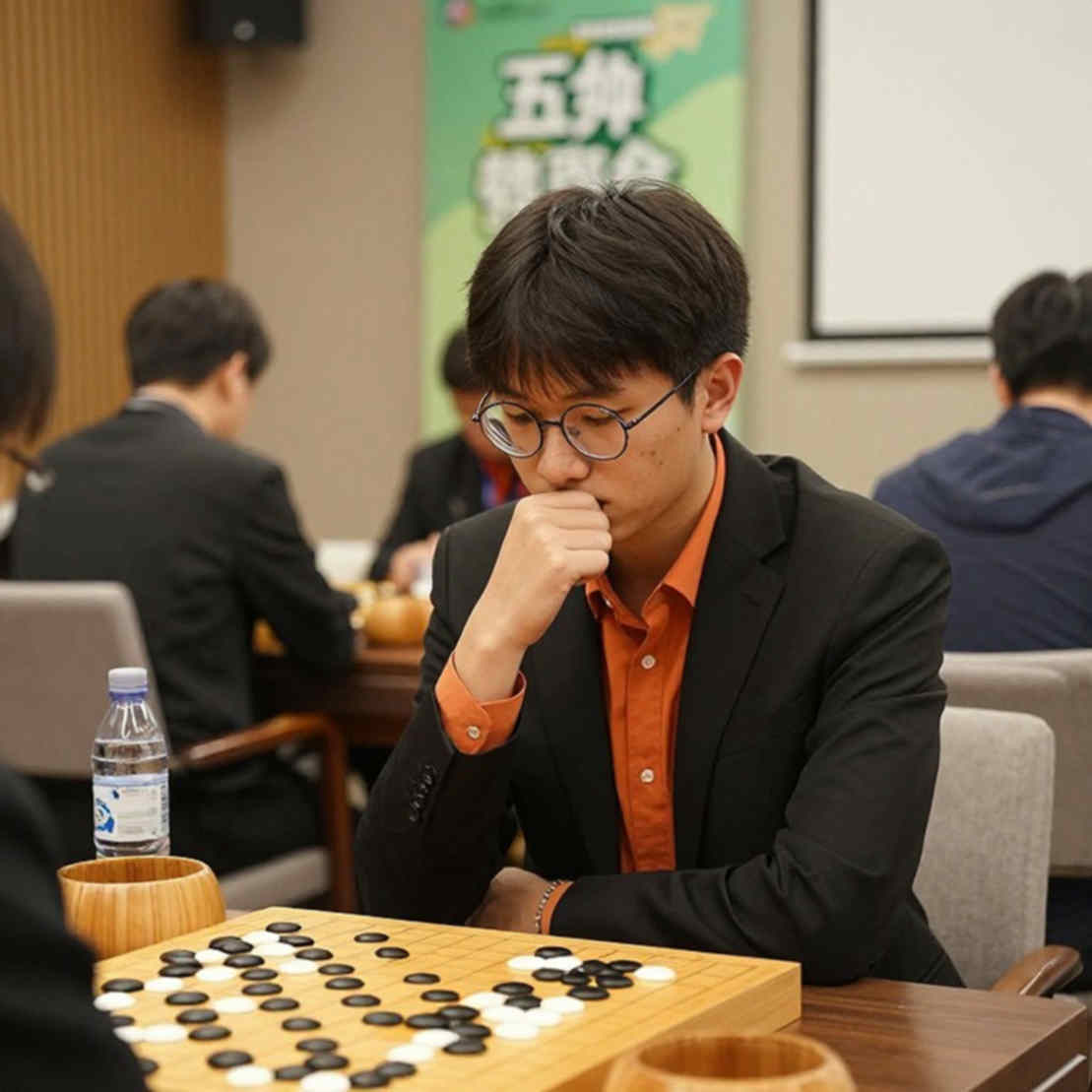
The Bavarian Championship belongs to the regional layer of the German chess ecosystem. That layer matters. Strong juniors need serious domestic events where they can face experienced adults, manage long games and learn to convert advantages under pressure. Yet a state-level championship is not the same as a national title or an elite international event. The distinction should remain visible in the headline.
The most useful next checks are straightforward. Besou’s current FIDE rating should be verified. The full crosstable should show whether he faced titled opponents and how many points he scored. Game records would reveal whether he built his position through strong technical play or benefited from a short sequence of favourable pairings. Without those details, every assessment remains provisional.
My 2026 Olympiad ledger offers a useful comparison. Across 44 Bangladesh games in Batumi, I found 13 positions that reached an engine advantage of at least plus one, but only three were converted. The lesson was simple: winning positions and banked points are separate columns. The spreadsheet does not argue; it waits for the next correction. Besou’s lead belongs in the same category until we know how many advantages he created and how many he converted.
The modern junior benchmark also requires care. Players such as Gukesh, Praggnanandhaa and Arjun had already established exceptional international rating and title records at similar ages. Comparing Besou’s partial regional result directly with those careers would be methodologically weak. A Bavarian Championship lead is encouraging. It is not, by itself, evidence of a world-class breakthrough.
The second part of the bundled content concerns International Master Valeri Lilov’s instructional video series. The series covers anti-theory systems such as the Colle System, Trompowsky Attack, Torre Attack and London System. It also mentions the Catalan, Blackmar-Diemer Gambit and Richter-Veresov Opening, while positioning these choices against the heavier theoretical Queen’s Gambit structures, including the Slav, Semi-Slav, Queen’s Gambit Accepted and Orthodox Queen’s Gambit.
There is a real club-level audience for this material. Many players prefer systems that reduce the amount of memorisation associated with 2.c4 main lines. Familiar plans can help a player reach a playable middlegame in rapid chess or local tournaments. Yet an opening label alone does not demonstrate effectiveness. A London System position still demands accurate timing. A Colle setup does not guarantee a successful central break. A Trompowsky bishop exchange changes the structure but does not remove the need for concrete calculation.
The value of Lilov’s series depends on its depth. Does it explain plans, typical mistakes, model games, move-order issues and defensive resources? Or does it simply present a list of recommended moves? The supplied information does not answer those questions. The likely audience is club players, perhaps below the level where elite preparation dominates, but that remains a structural estimate rather than a verified audience statistic.
The editorial connection between Besou’s tournament result and Lilov’s product is also weak. The two items concern different subjects. One is a junior result at a regional championship. The other is a training product built around popular opening systems. If the video series is sponsored or commercially partnered, that relationship should be disclosed. The available material does not identify such a relationship. That does not establish misconduct, but it does make the bundling worth noting.
For Besou, the primary danger is interpretive rather than competitive. There is no information about cheating, eligibility, tiebreak disputes, scheduling or federation governance. The principal risk is that the word prodigy creates a narrative larger than the evidence. A 15-year-old may begin a tournament strongly and still finish outside the top three. That outcome would not erase the result; it would define its proper scale.
The next signals are clear. His final position will tell us whether the lead became a title challenge. His opponent ratings will show the strength of the performance. His future FIDE rating and progress toward International Master norms will indicate whether this was part of a sustained development curve. The wider German junior cohort will matter too. One strong result is an individual signal. Several strong juniors producing repeated results would point to a deeper pipeline.
I digitized the past so the present could not lie to me. The same discipline applies here. The crosstable, game records, ratings and future events will decide how much weight this story deserves. The immediate question is not whether Hussain Besou is already the next major star. It is whether he can turn one promising regional lead into a durable competitive pattern, and whether the reporting will collect enough evidence to see that pattern clearly.