
The Ticket Matters More Than the Gold — and 5-1 Doesn't Tell Us Who India Are
**মূল উত্তর (সংক্ষিপ্ত):** ভারত পুরুষ হকি দল ৩ অক্টোবর ২০২৬-এ আইচি-নাগোয়ায় এশিয়ান Games ফাইনালে মালয়েশিয়াকে ৫-১ গোলে হারিয়ে শিরোপা রক্ষা করেছে এবং লস অ্যাঞ্জেলেস ২০২৮ অলিম্পিকের সরাসরি কোটা নিশ্চিত করেছে। ভারতের পুরুষ ও মহিলা দুই দলই এই ইভেন্ট থেকে অলিম্পিক যোগ্যতা পেয়েছে। **মূল তথ্য:** - গোলদাতা: হারমানপ্রীত সিং, জুগ্রহ সিং, হার্দিক সিং, শিলানন্দ লাকড়া; পঞ্চম গোলের উৎস প্রতিবেদনে উল্লেখ নেই। - ম্যানপ্রীত সিং ফাইনাল খেলেছেন; তাঁর ক্যারিয়ারে ৪৩০-এর বেশি International ম্যাচ। - ২০২২ হাংঝো ফাইনালেও ভারত ৫-১ গোলে জিতেছিল, তবে প্রতিপক্ষ ছিল জাপান। - এফআইএইচ র্যাঙ্কিংয়ে ভারত সাধারণত শীর্ষ ৫-৬, মালয়েশিয়া ১২-১৫ এর ঘরে। - এশিয়ান Games ফিল্ডে নেদারল্যান্ডস, বেলজিয়াম, অস্ট্রেলিয়া ও জার্মানি থাকে না। **সূত্র:** এএনআই প্রতিবেদন, ৩ অক্টোবর ২০২৬; ফলাফল ও Statistics স্বতন্ত্রভাবে যাচাই করা প্রয়োজন। **সম্পর্কিত প্রশ্নোত্তর:** প্রশ্ন: এশিয়ান Gamesের সোনা কি অলিম্পিক মেডেলের পূর্বাভাস? উত্তর: দুর্বল পূর্বাভাস, কারণ প্রতিপক্ষের গুণমান মাঝারি এবং নমুনা একটাই Tournaments. প্রশ্ন: ভারতের প্রকৃত পরীক্ষা কখন? উত্তর: ২০২৭ সালের এফআইএইচ প্রো Leagueে ইউরোপীয় ও ওশেনিয়ান দলের বিরুদ্ধে। প্রশ্ন: বাংলাদেশের জন্য তাৎপর্য কী? উত্তর: ঘরোয়া League ২৭ বছরে ১৩টি সংস্করণ দেখেছে এবং ২০১৯ থেকে ২০২১ পর্যন্ত কোনো মরসুম হয়নি।
I stopped writing when the scoreline reached 5-1. Not because the number surprised me, but because I had written it before. Four years ago in Hangzhou, the Asian Games final ended India 5-1 Japan. In Aichi-Nagoya the opponent was Malaysia and the margin was identical. Two finals, two different opponents, the same gap. That symmetry is the trap. A scoreline is an outcome, not an instrument. Since I left the desk in 2026 I have kept one rule: no tactical claim without a coded sequence behind it. The report from the final on October 3, 2026 gave me possession figures for nothing, circle entries for nothing, penalty corner conversion for nothing. It gave me five goals and four names.
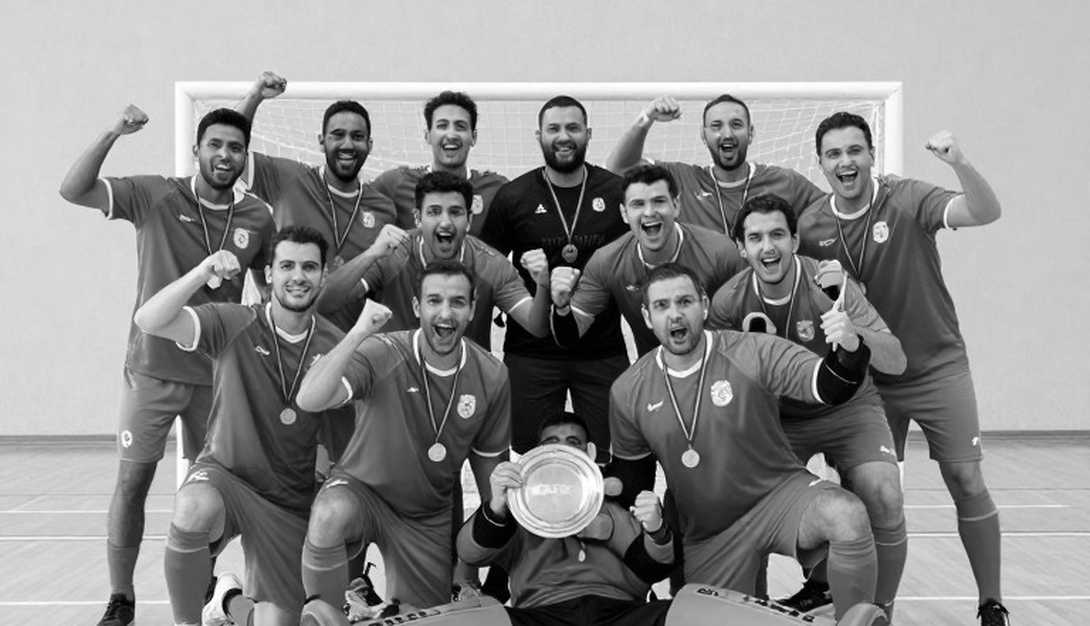
Set the context. Men's hockey final, Asian Games 2026, Aichi-Nagoya, India defending the title against Malaysia. The scorers: Harmanpreet Singh, Jugraj Singh, Hardik Singh, Shilanand Lakra. Manpreet Singh played the final, past 430 international caps, described in the report as the side's most reliable midfielder. The medal, though, is the smaller half of the story. The Asian Games champion earns direct qualification for the Los Angeles 2028 Olympic Games, and both the Indian men's and women's teams secured that berth from this tournament. Given India's standing as the region's clear top side, gold was expected. Qualification secured two years early is a structural advantage of a different order.
The names of the scorers tell less than the scoreline implies. Two of the four are drag-flickers, Harmanpreet and Jugraj. Two are field players, Hardik in midfield and Shilanand up front. That mix hints at an attack that was not purely penalty-corner dependent. But one of the five goals is unattributed, so the ledger stays open. And because Harmanpreet is the primary flicker, the dependency question is not a small one. World-class conversion sits between 25 and 40 percent; without India's number I will not write a single sentence about the architecture of their attack.
The Asian Games hockey field is a closed system. The Netherlands, Belgium, Australia and Germany are not in it. India normally sit inside the global top five or six, Malaysia in the twelve-to-fifteen band. At that ranking gap a 5-1 is a normal result, neither shock nor ascent. Continental gold is not evidence that India have changed global tier; it is evidence that they held expected form. A team that enters as favourite and leaves as favourite has told us almost nothing new.
So where has India actually improved? In the calendar, not the tactics. The centralised national camp model means years of shared training, one coaching staff, one designated flicker, one routine. The European club pyramid works the opposite way: players disperse, the national team assembles before tournaments. On cohesion, India's model is a genuine edge. And this is where I look home. Bangladesh's junior side won the Junior AHF Cup in 2026, 2026 and 2026, capped by first-ever Junior World Cup qualification in December 2026. Talent we have; identification at fifteen is not the failure point. Retention past twenty-one is. The domestic league has produced 13 editions in 27 years, and no season at all from 2026 to 2026. India's advantage is not talent but calendar — a competition that does not run cannot produce internationals.
That is what early qualification buys. With two years in hand the preparation route changes. The 2027 and 2028 calendar tilts toward the FIH Pro League and European tours, because those matches are the only honest test of press resistance, circle defence and transition speed. The Asian Games told India they are the best in Asia. The Pro League will tell them where they sit in the world. Those are different questions, and only the second one travels to Los Angeles.
Here is where I part company with the consensus. The easy sentence being written everywhere is that India have become Olympic medal contenders. Continental gold is a weak predictor of an Olympic medal: opponent quality is medium and the sample is a single tournament. There is a more uncomfortable possibility too. If the 5-1 validates the current penalty-corner-dependent structure, the gold becomes a comfort blanket. Against a top-five press, one drag-flicker is one point of failure. I would also flag the claim circulating that India are the first side to defend the Asian Games title; I have not verified it against earlier editions and will not repeat it until I have. And I will name what breaks my model in advance: if India reach circle-entry and PC-conversion parity against the Netherlands, Belgium or Australia in the 2027 Pro League, I will accept that the tier has genuinely changed.
In 2026 I sat at Maulana Bhasani Hockey Stadium during the Asia Cup and coded every penalty corner as a set-piece possession rather than a restart, India's final win included. That notebook taught me one thing: the quietest number in a match says the most. Scorelines shout; circle entries whisper. Russia 2026 gave me a system; the home defeat gave me a reason to test it. I logged every match of the Ghost Season, and the silence became data. This final demands the same discipline — no verdict from a 5-1 until I know the sequence behind each of the five.
Looking forward, my attention is on calendars, not medal tables. How many matches India play before Los Angeles, against whom, and how often they have to play from behind will decide what the gold is worth. The harder question is ours: if India play more than twenty competitive matches in two years, will Bangladesh's senior side play half that number? One turf for 170 million people, USD 300 sticks, USD 5,000 goalkeeper kits, and a league that exists mainly on paper. India's 5-1 did not beat us. Our own calendar did.